Stateless House Artist Residency
A place where artistic practice is lived.
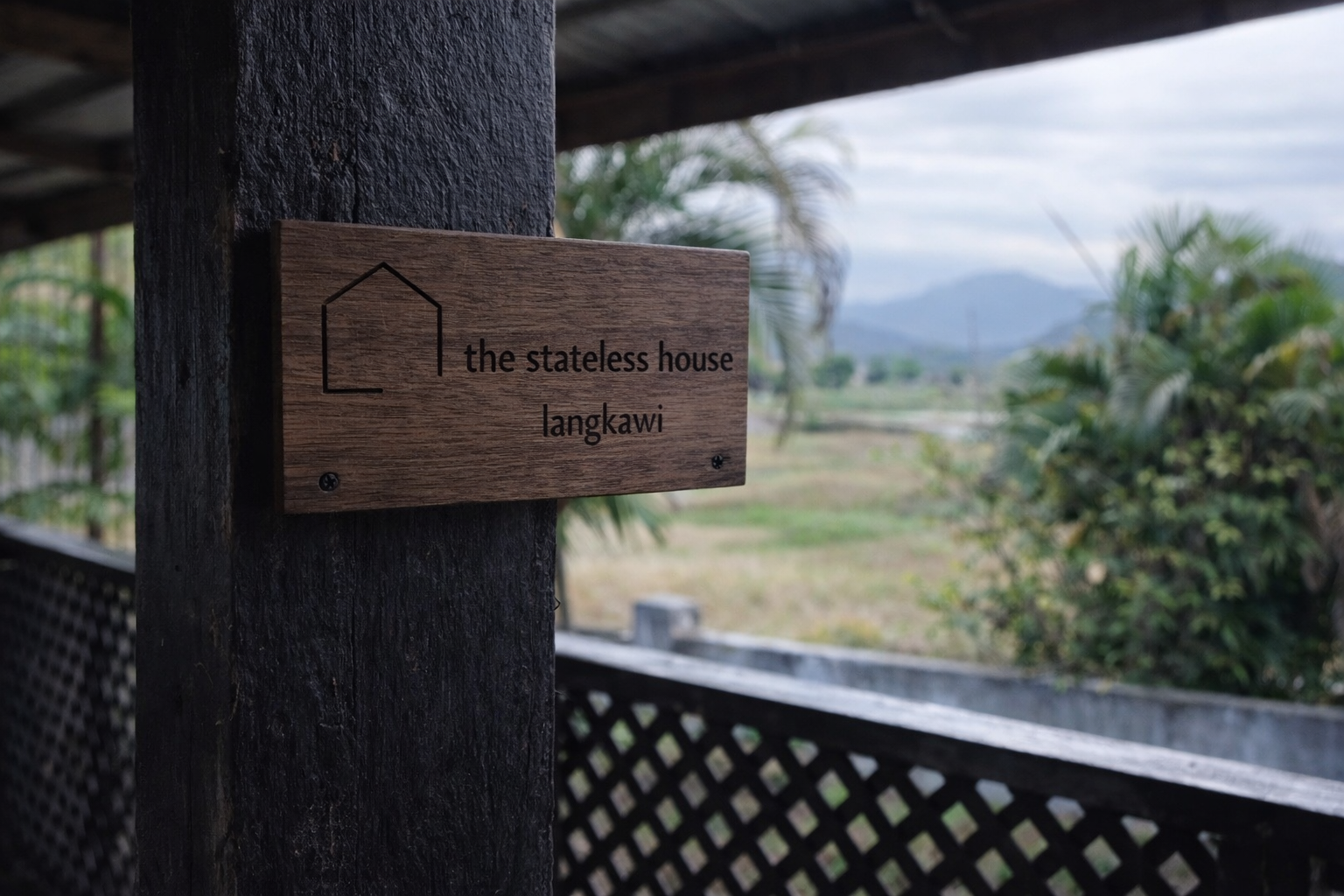
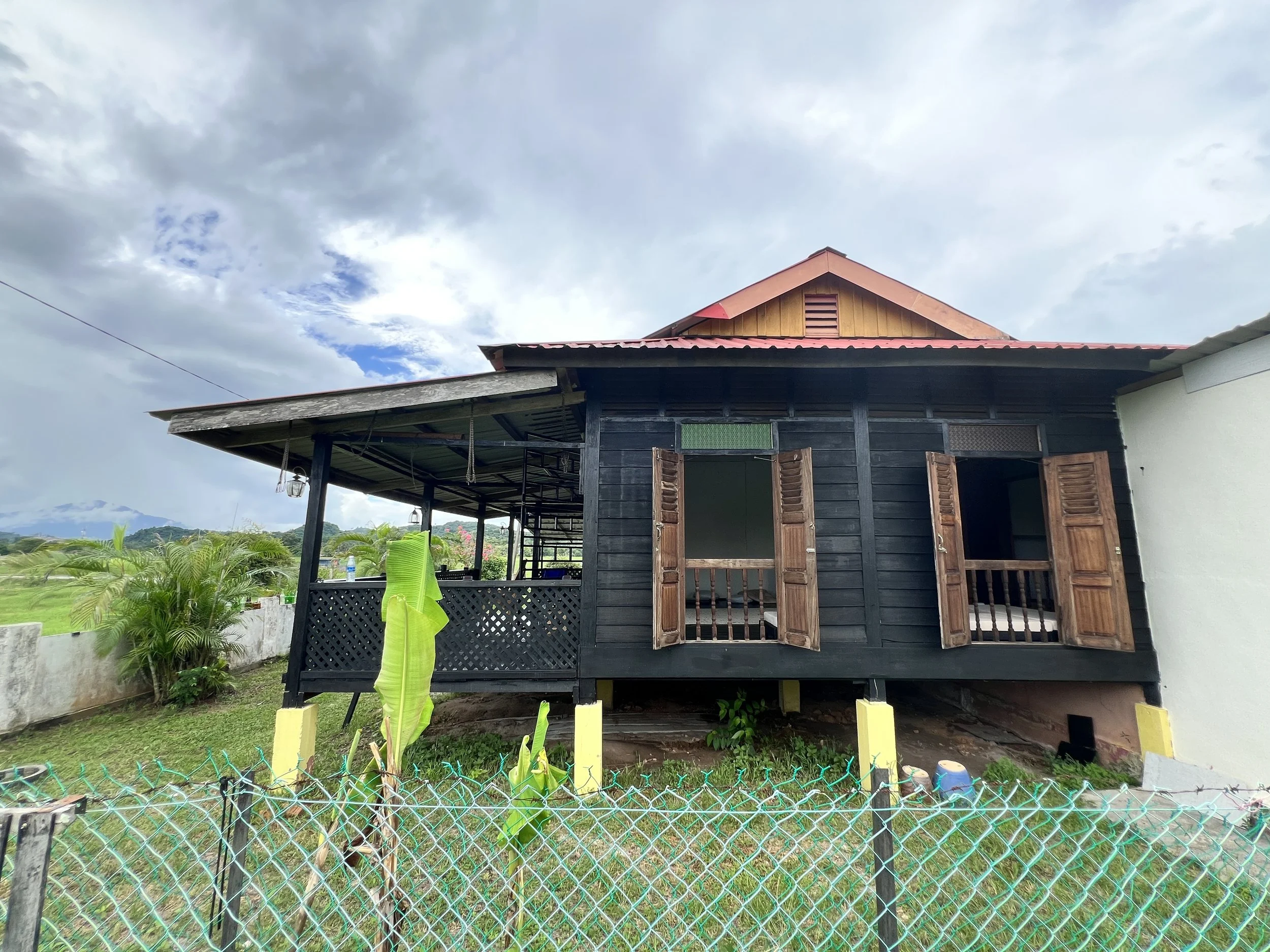
Located in Bohor Jani, Langkawi, Stateless House is the physical home of Stateless Mind.
More than a residency space, it is a place for living, research and artistic exchange, where everyday life becomes part of artistic practice. Artists, curators, researchers and collaborators are invited to spend time—not simply to produce work, but to observe, walk, listen, exchange ideas and develop relationships with place and community.
Stateless House Artist Residency
An artist-led residency for research, experimentation and international exchange in Langkawi, Malaysia.
About
The Stateless House Artist Residency is an independent, artist-led residency based in Langkawi, Malaysia, and developed under Stateless Mind.
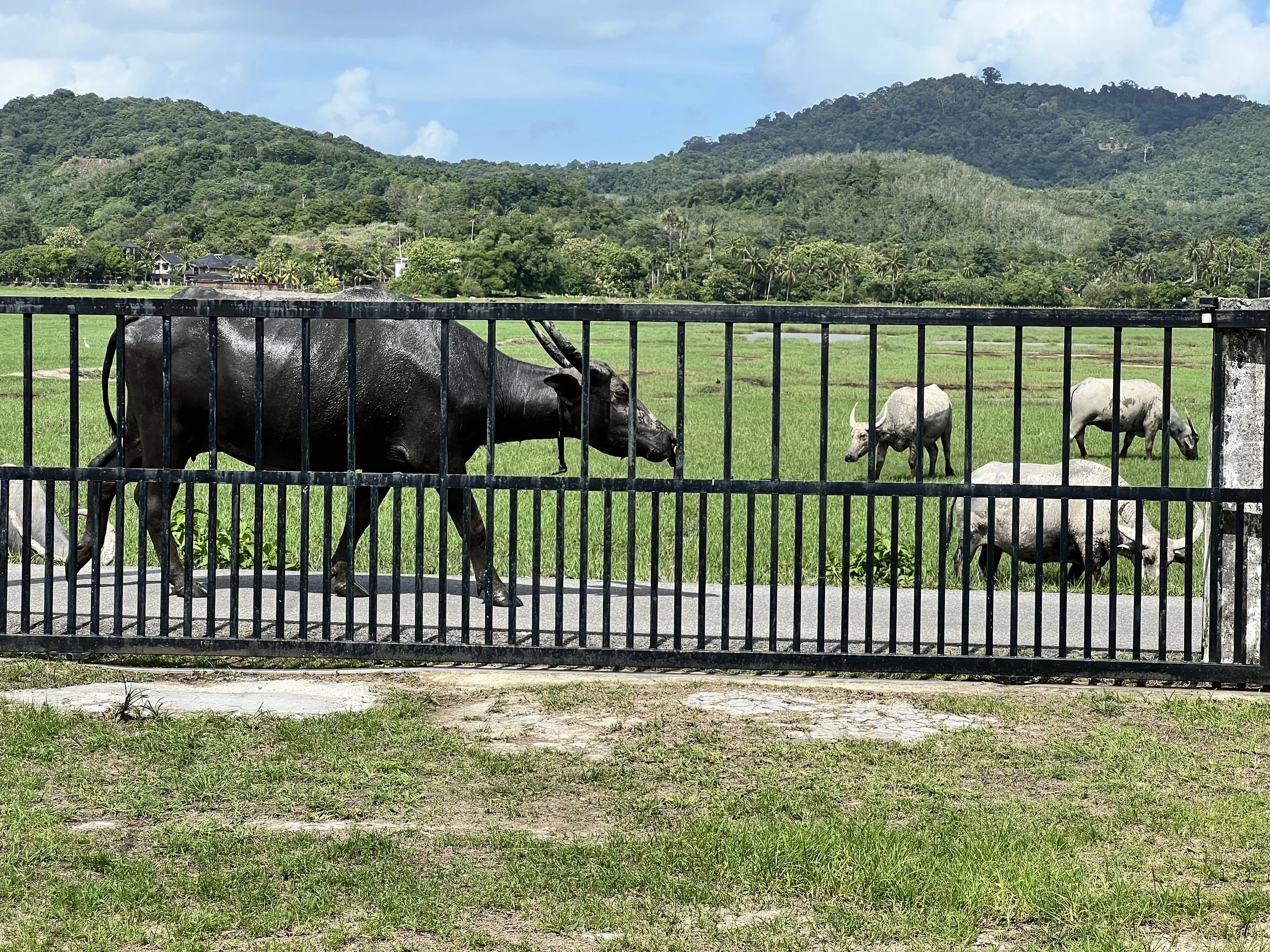
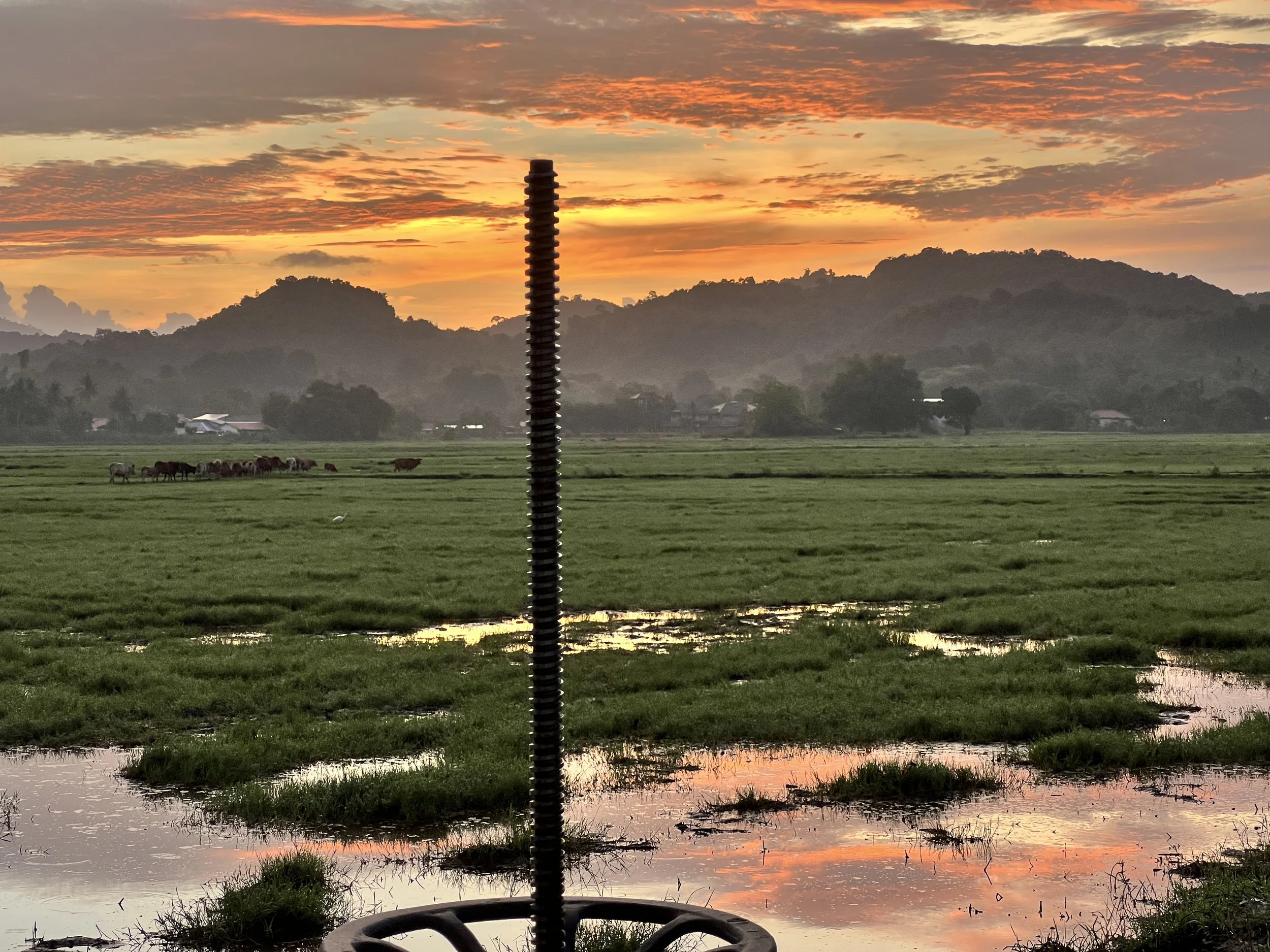
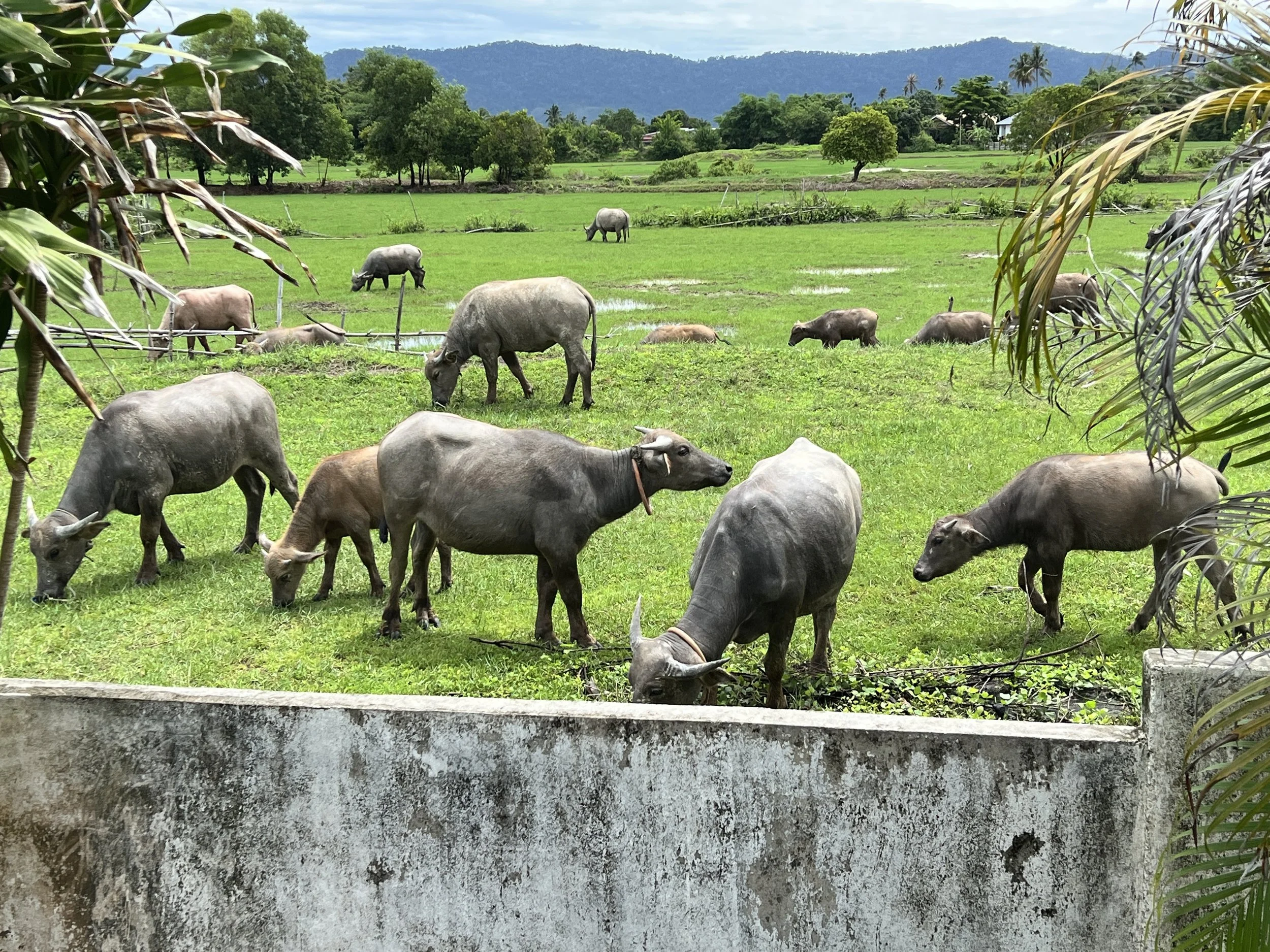
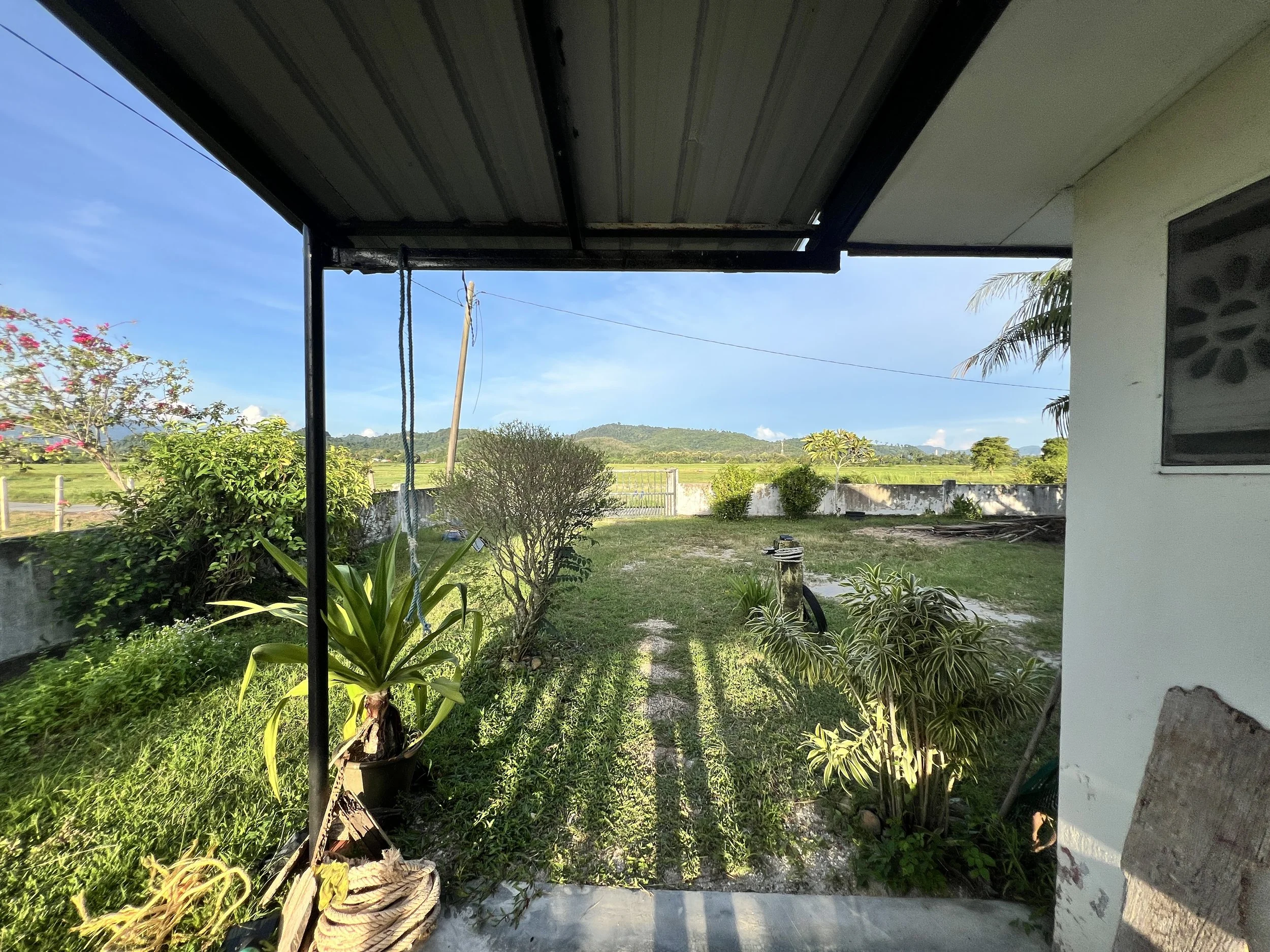
Located in a quiet rural setting surrounded by paddy fields, buffaloes, tropical vegetation and abundant birdlife, Stateless House is also close to the beaches of Cenang and Pantai Tengah.
The residency welcomes artists, writers, curators, researchers and interdisciplinary practitioners from around the world, providing time, space and an ideal environment for research, experimentation, writing and artistic development.
Rather than focusing on the production of finished work, Stateless House values intercultural dialogue, artistic encounters, and shared and lived experiences. Residents are encouraged to work at their own pace and allow ideas to develop through their practice and engagement with Langkawi.
The Residency
Each residency is shaped around the interests, practice and working rhythm of the individual resident. There is no prescribed programme or expectation to produce a finished body of work.
Residents work independently while becoming part of the informal community around Stateless House. The emphasis is on creating a supportive and flexible environment where residents can concentrate on their practice while remaining open to unexpected encounters and new perspectives.
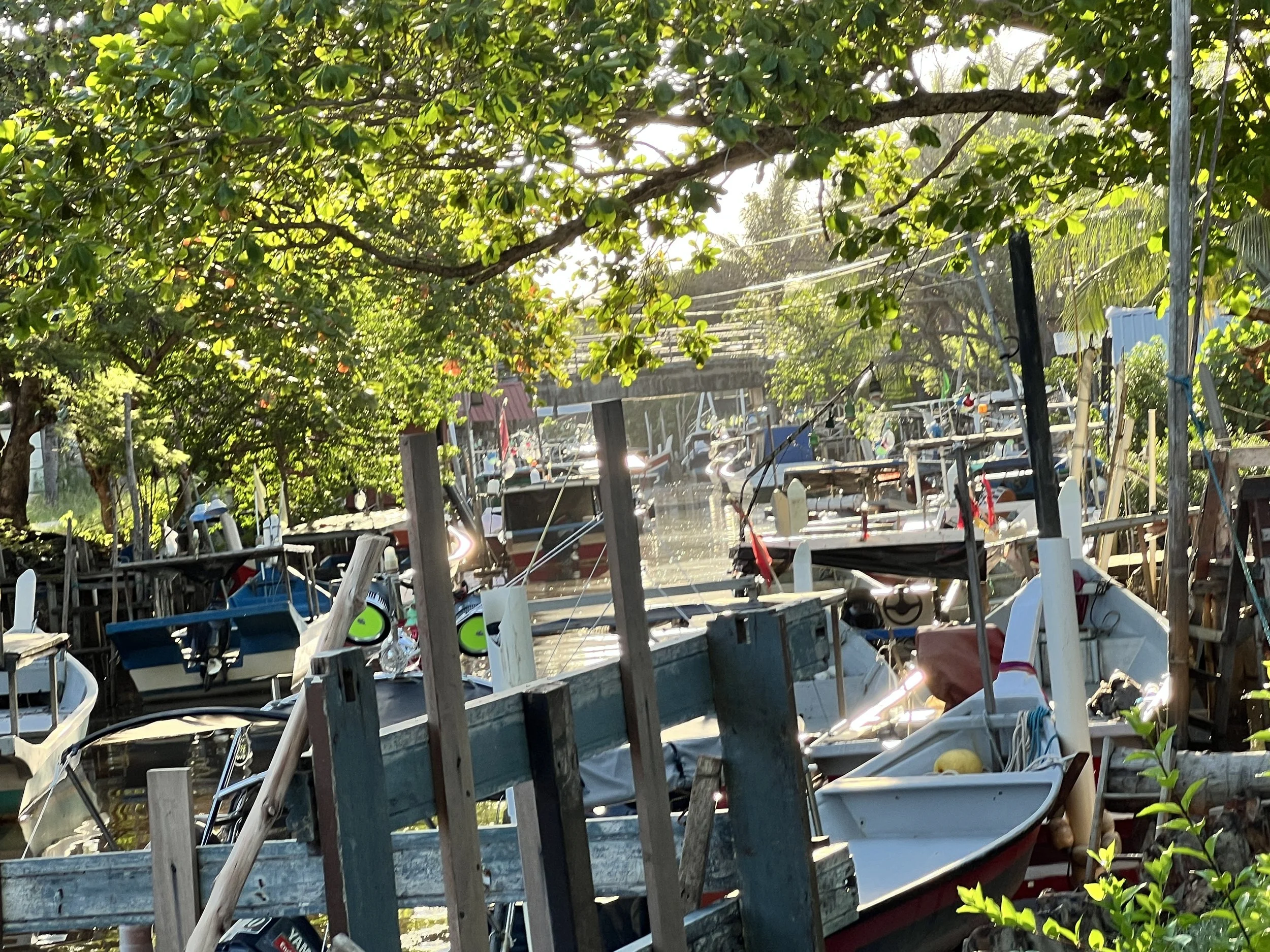
Residents are encouraged to experience Langkawi beyond the studio through encounters with local artists and craftspeople, farmers and paddy-field communities, fishing communities and cultural practitioners.
Malaysian artist and curator Amir Zainorin will assist with field visits and introductions to local artists, communities, cultural spaces according to individual interests.
Residents who wish to share their work or research may also organise an open studio, presentation, talk, workshop or small exhibition at Stateless House during or towards the end of their residency. These activities are optional and can be developed according to the resident’s practice and the nature of their stay.
Langkawi as a Research Environment
Langkawi is recognised as a UNESCO Global Geopark, where geological heritage, biodiversity and community life intersect. Its paddy fields, rainforest, mangroves, coastlines and surrounding islands provide rich contexts for practitioners interested in ecology, conservation, environmental change and relationships between people and place.
The archipelago brings together agriculture, fishing traditions, tourism, surfing culture, rural communities and contemporary island life within a distinctive tropical landscape. It is also rich in stories, folklore, myths and oral histories, creating possibilities for artistic, cultural, anthropological and independent research.
As part of the wider Malay world and the maritime geography of the Andaman Sea and Straits of Malacca, Langkawi offers starting points for exploring histories of movement, trade, migration, language and cultural exchange.
Stateless House provides a base from which residents can develop their own relationship with Langkawi and the surrounding islands, allowing ideas to emerge through curiosity, observation, dialogue and lived experience.
Research possibilities include the National Art Gallery Langkawi, Laman Padi, Makam Mahsuri and the stories of Mahsuri, Pantai Cenang and Pantai Tengah, Kilim Karst Geoforest Park, traditional fishing villages, paddy fields and rural communities, local markets, surfing culture, rainforest and coastal environments, artist studios and nearby islands within the Langkawi archipelago.
Living as Practice
Stateless House is based on a simple idea: artistic practice does not only happen in the studio.
It can happen while walking through the paddy fields, talking with neighbours, visiting a fishing village, swimming, cooking, making things, listening to stories or simply spending time in a place.
The residency allows everyday life, encounters and observations to become part of the artistic process.
There is no pressure to produce a finished work. What matters is the time spent, the relationships formed and the possibilities that may emerge from being here.
Accommodation & Getting Around
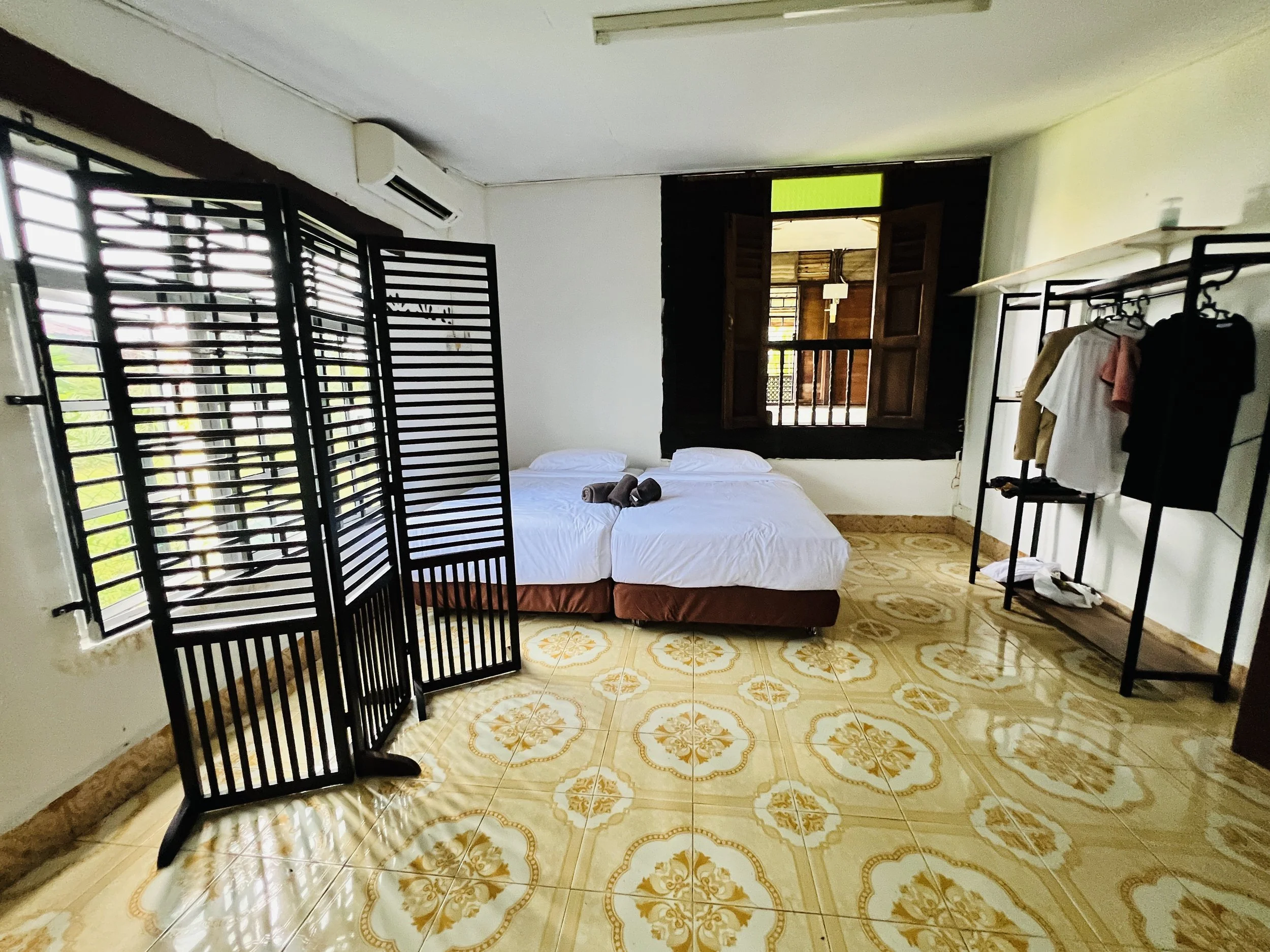
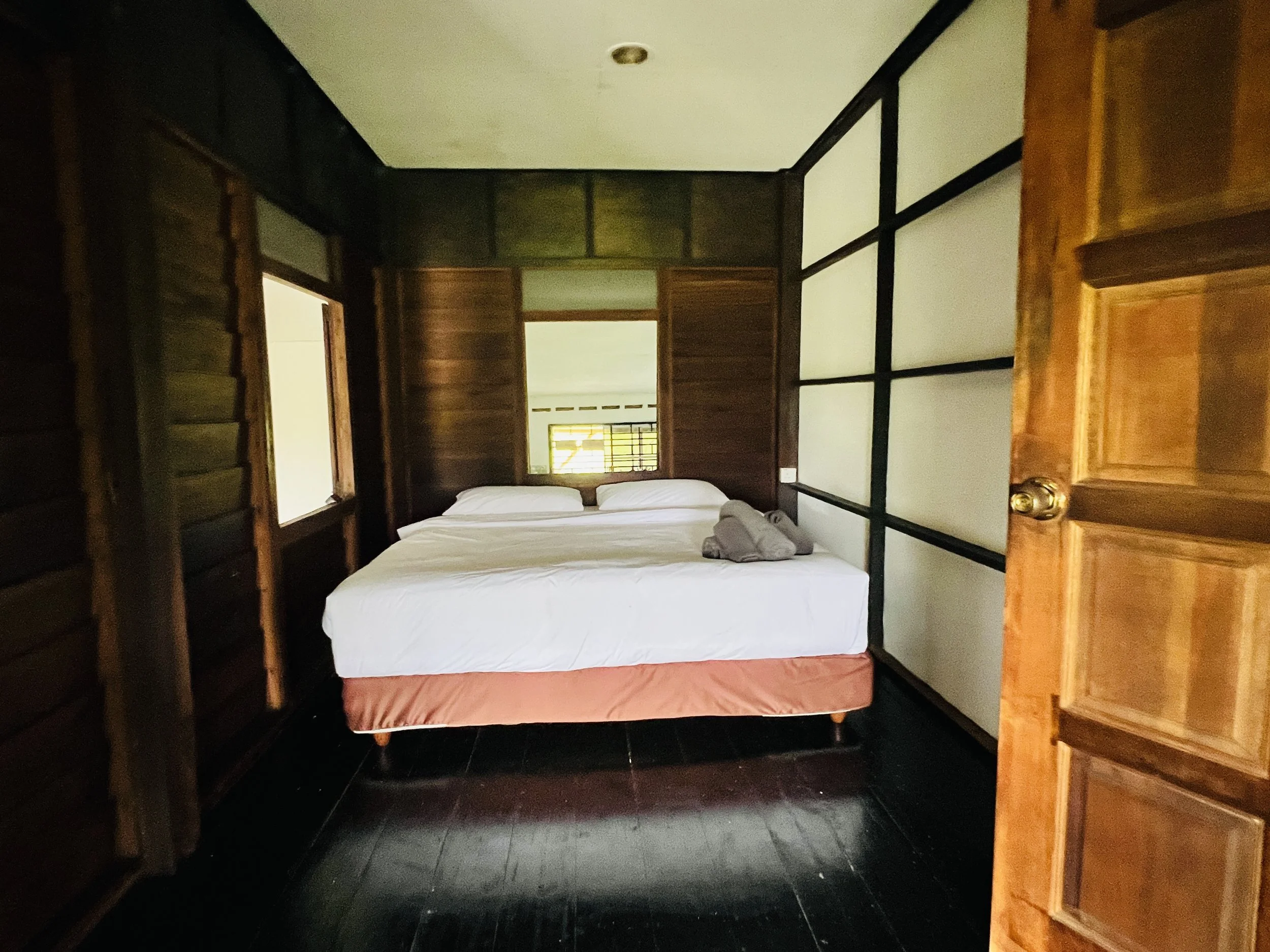
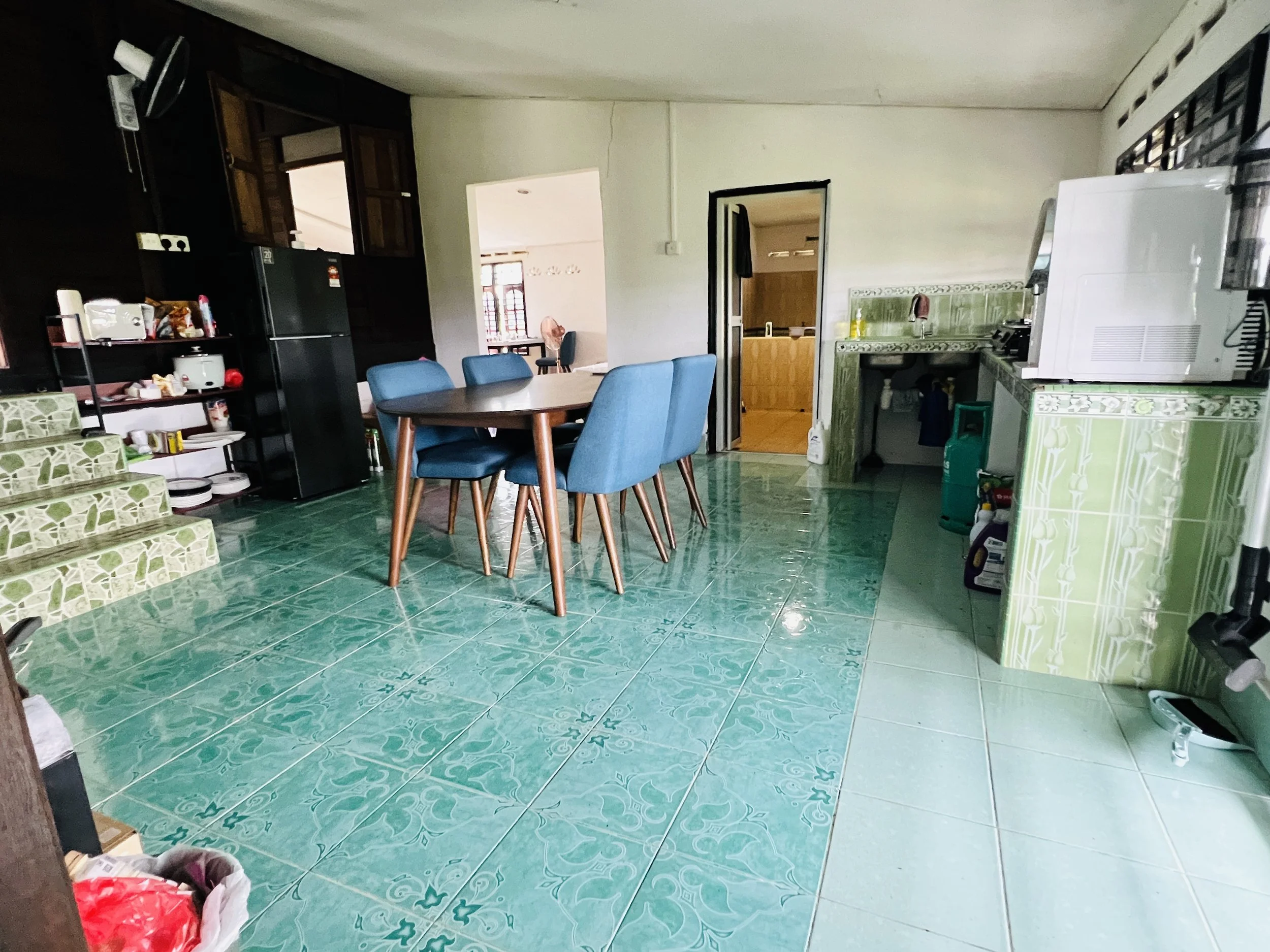
Stateless House accommodates a maximum of two resident practitioners at a time, each with a private bedroom. The kitchen is available for residents to prepare their own meals. Meals are not included.
Stateless House is approximately 20 minutes on foot or 5 minutes by motorcycle from Cenang Beach. Bicycles, motorcycles and cars can be rented locally. Motorcycle rental is available from approximately RM40 per day, and Grab is also available for local transportation.
Residency Duration & Fee
Residencies are available throughout the year on a rolling basis, subject to availability.
2 weeks (14 days) — RM2,500
3 weeks (21 days) — RM3,500
4 weeks (28 days) — RM4,500
Longer stays may be arranged individually, subject to availability.
The residency fee supports an independent, artist-led programme rather than simply the rental of accommodation and studio space. It contributes to the operation of Stateless House while providing residents with accommodation, working space, mentoring, local knowledge and connections.
The fee does not include meals, local transportation, travel to and from Langkawi, travel insurance, art materials or personal expenses.
What Is Included
Each residency includes:
Private bedroom accommodation at Stateless House
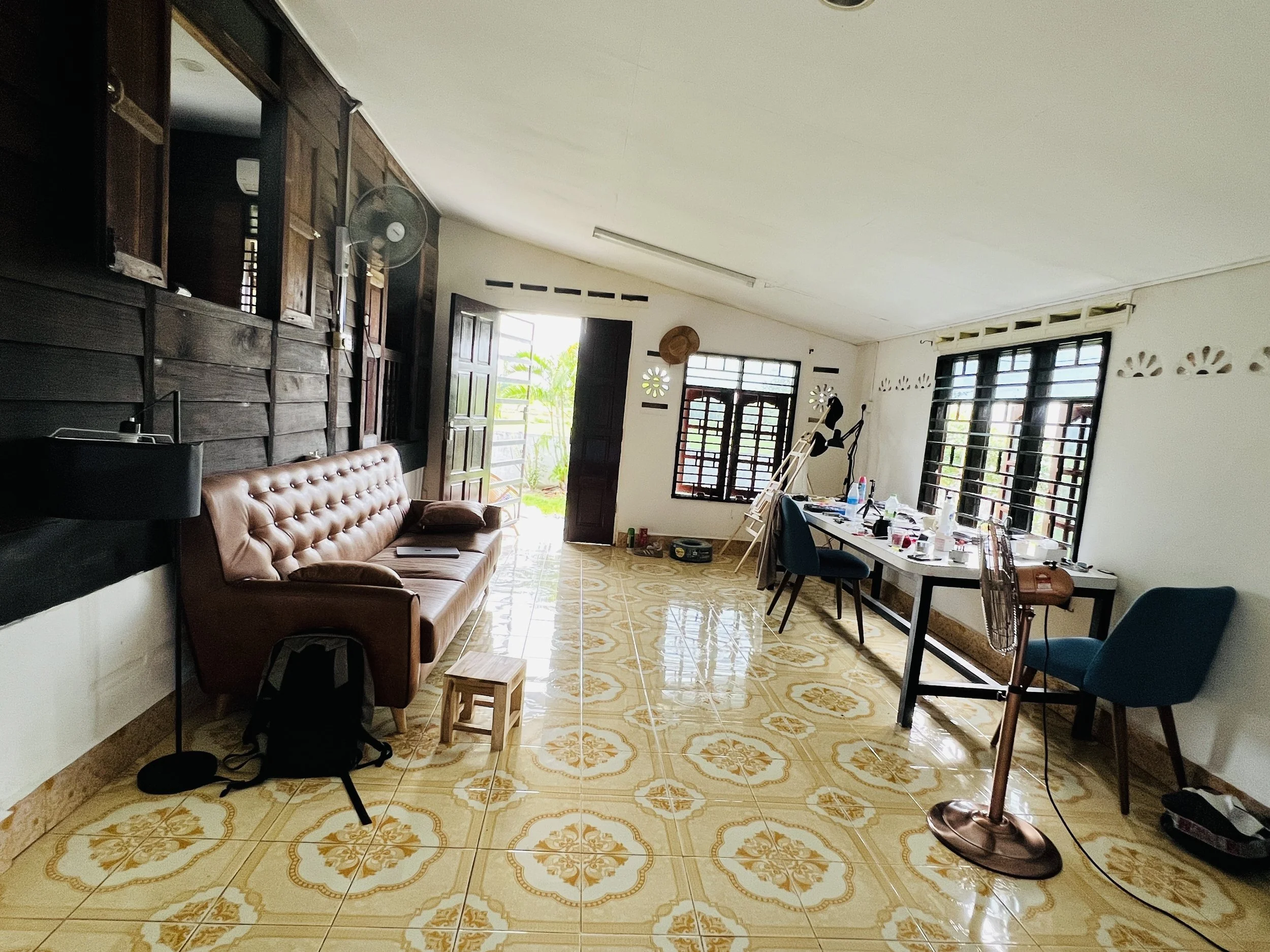
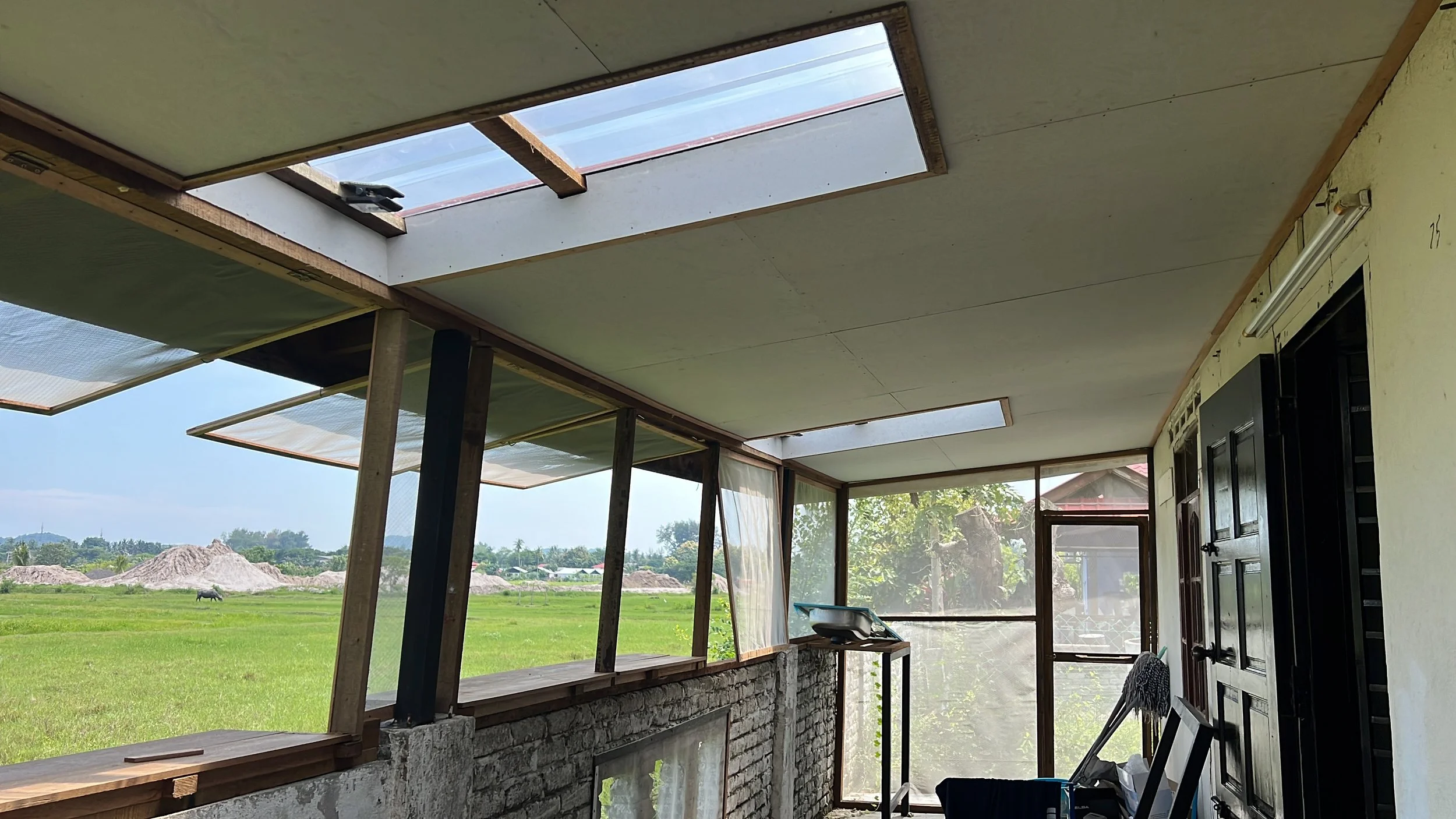
Access to two studio/work spaces
Shared kitchen, bathroom and common living areas
Wi-Fi and utilities
Initial orientation to Stateless House and Langkawi
Introductions to relevant local artists, cultural practitioners and communities
Guidance on research locations and cultural sites
Informal studio discussions and exchange with other residents
Opportunities to participate in talks, workshops and open studios when available
Letter of invitation where required for visa, funding or institutional purposes
Portfolio reviews and additional project support
Applications
Please submit:
Short biography
Curriculum Vitae (CV)
Portfolio — PDF or website link
Statement of interest — briefly describe your practice, what you would like to explore and why you are interested in Stateless House and Langkawi
Preferred residency dates and duration
Applicants can normally expect a response within two weeks of submission. Selected applicants will then be contacted to confirm dates and practical arrangements.
Apply / Enquiries
Background
The Stateless House Artist Residency was founded by Malaysian contemporary artist and curator Amir Zainorin.
For more than two decades, Amir has developed an international interdisciplinary practice through exhibitions, residencies, research, cultural exchange and collaborative projects across Malaysia, Europe and Asia.
He is the founder of Jambatan and Stateless Mind. The Stateless Mind Pavilion emerged from Amir's experience developing a project in the context of the 59th Venice Biennale in 2022 and has since evolved through different international contexts, including participation in the 16th Gwangju Biennale in 2026.
This experience informs Stateless House's approach to mentoring, artistic exchange and independent practice, bringing international experience into a small, informal and locally rooted residency environment.
A Place for Research
Stateless House supports artists, curators, writers and researchers interested in long-term, place-responsive practice.
Rather than offering a conventional residency focused on production, it encourages observation, experimentation and dialogue. Time is understood as an essential material, allowing relationships and ideas to develop organically.
Residencies may include field research, workshops, publications, community exchange and public presentations, but these arise from the process rather than being predetermined objectives.